

Creating a Palette From Your Heirloom Pieces
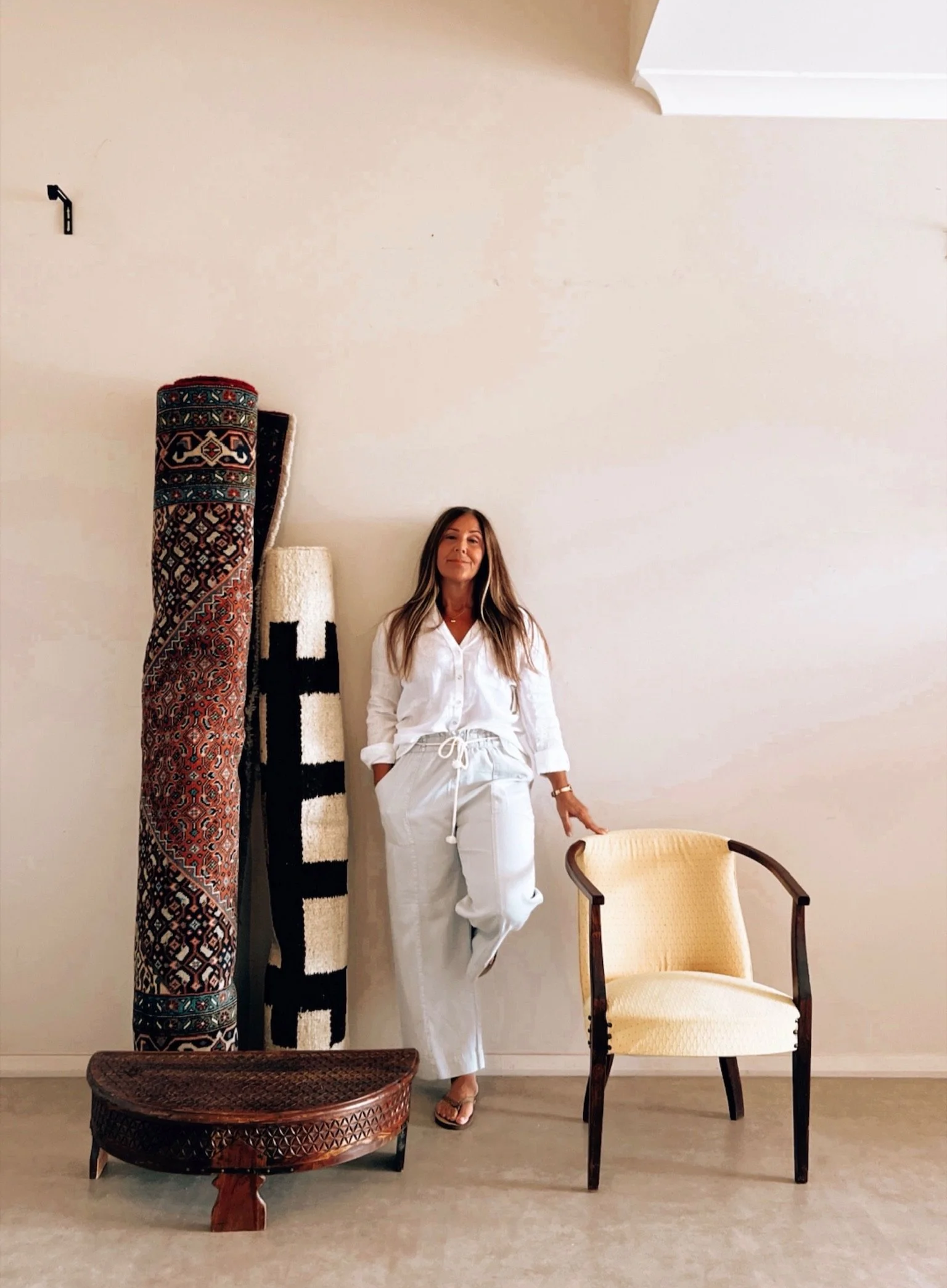
Become the curator of your own home:
How to build a custom color palette around what you already love
Building a color palette around an heirloom piece you love is one of the best ways to curate a space for yourself that feels like you. One of the most common mistakes I see in new homes is choosing a paint color first + hoping everything else will fall into place. It rarely does. Color feels most natural when it is drawn from something that already carries meaning to you.
As a curator, I never begin with a blank wall. I begin with the strongest piece in the room. The heirloom rug. The antique cabinet. The painting from your favorite artist. These pieces already hold depth, meaning + variation . These vintage pieces are layered by their history or patinas and instead of trying to fit them into a “perfect color palette” we let them steer the palette by
Start With the Statement Piece
If you own a silk rug with age, a vintage textile, or a piece of furniture with patina, study it closely. Look beyond the dominant color. Notice the secondary tones woven quietly throughout. A deep red rug may also hold soft sand, muted blue, or charcoal within its pattern. Those quieter shades are often the most usable.
When you build a room around a statement heirloom, you allow the palette to feel intentional rather than imposed. The result is cohesion without obvious matching.
Seeing the Palette Within the Pattern
To illustrate this, I created several palette studies pulled from a single rug in our collection. Each graphic highlights a different combination of tones drawn directly from the same background pattern. One leans into the blues, another emphasizes the warmer rose colors, + another deepens into a richer neutrals contrast palette.
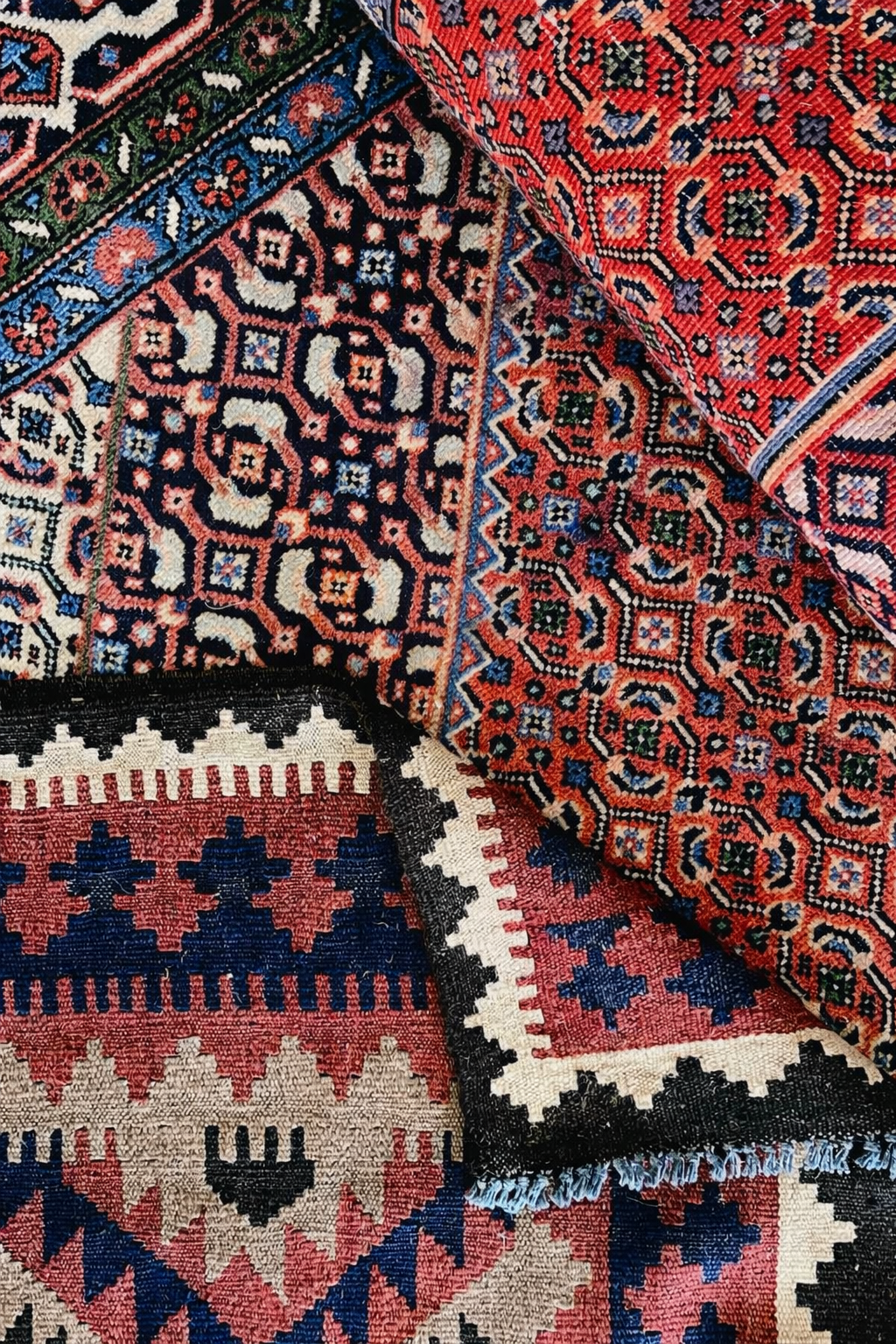
Inspiration piece
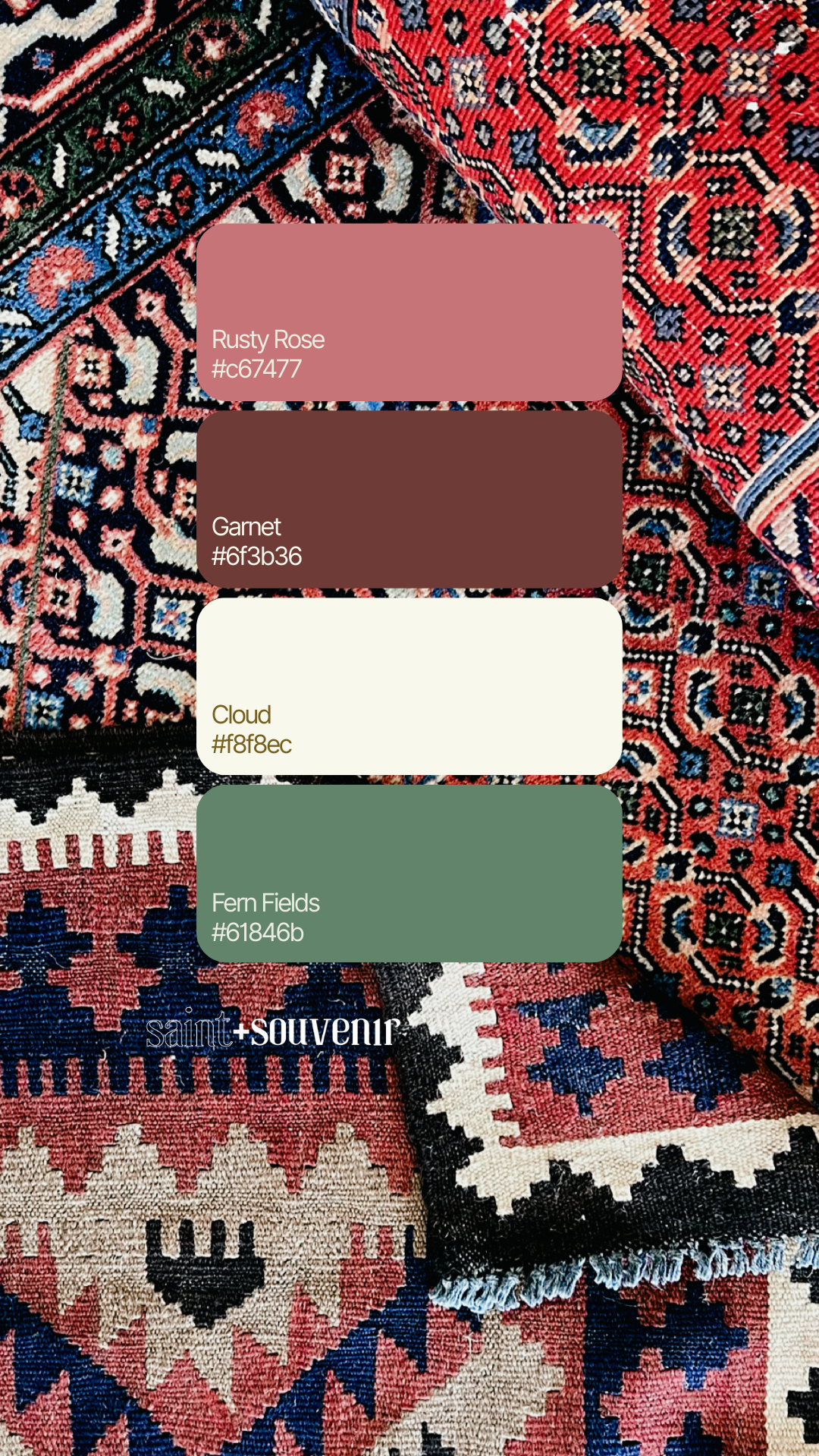
Dusty Rose Palette
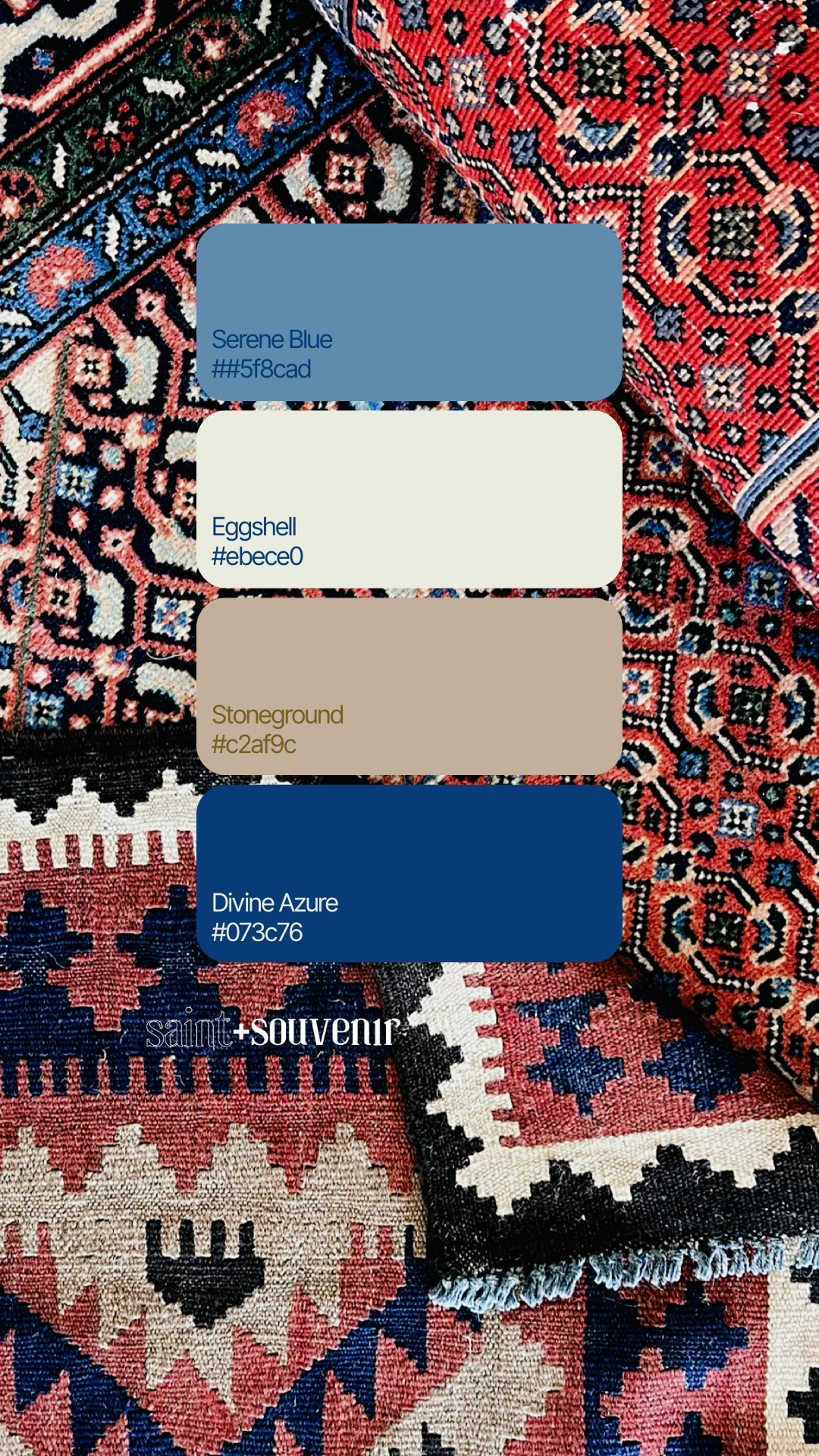
Serene Blue Palette
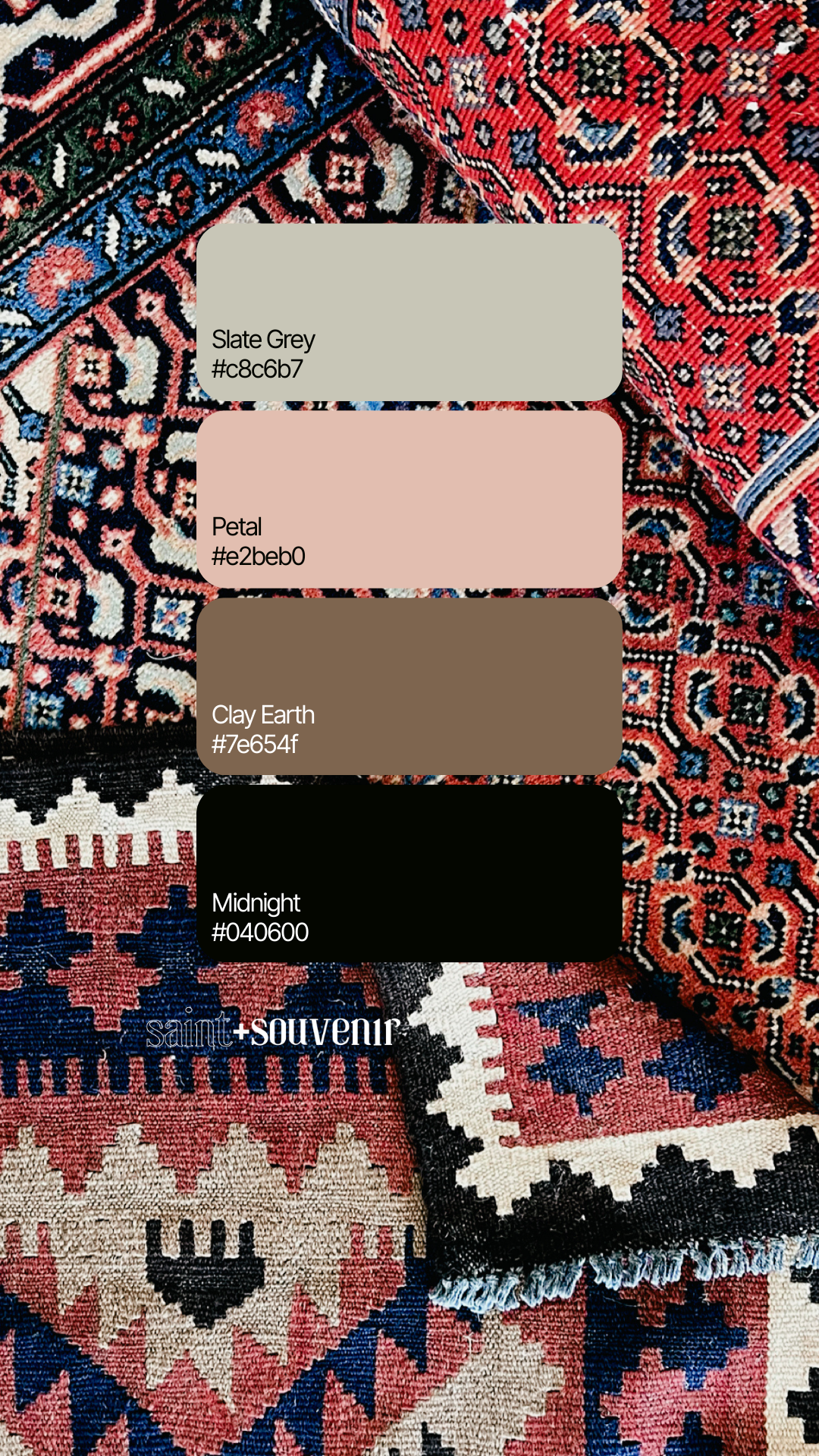
Neutrals Palette
Nothing in those palettes was invented. Every shade already existed within the weave. The exercise simply isolates what is often overlooked. When you separate the colors this way, you begin to see how versatile one heirloom piece can be. A single rug can guide multiple rooms, multiple moods, multiple directions.
This is the advantage of working from something real rather than starting from a paint deck. The depth is already there! You are simply choosing which thread to follow.
When This Approach Is Most Helpful
This method of curating your own custom interior palette is especially valuable in new builds or modern homes. Clean architecture can feel stark without contrast and depth. An heirloom piece introduces this complexity all on its own. Pulling color directly from it ensures the room feels grounded rather than staged.
It is also helpful when you feel overwhelmed by options. Instead of scanning endless paint swatches, you narrow your focus to what already exists in your space. Your heirloom piece becomes your guide.
How to Translate It Into the Room
Choose one or two supporting tones from your statement piece. Use the softest neutral within it for walls. Reserve the deeper or richer color for upholstery, accent chairs, or drapery. This creates balance. The heirloom remains the anchor, while the surrounding colors echo it subtly.
Avoid copying the piece exactly. The goal is not replication. It is harmony and color rhythm in your space. Let the original item stand out by allowing the room to reference it, not compete with it.
Why This Works Over Time
When a color palette is rooted in something meaningful, it ages well. Trends shift. Preferences refine. But a palette drawn from a collected object carries personal history. It feels considered because it is.
Our homes should not feel like a sample board. It should feel like a collection. When you allow your heirloom pieces to lead, you create rooms that are layered, steady + uniquely yours.
Karen
Curator | Saint + Souvenir